White Deer Symbolism: Why This Rare Sight Feels Different
White deer symbolism begins with a visual contradiction: deer are usually built to disappear into woods and fields, yet a white deer does the opposite. It becomes instantly visible. That difference is why the image can feel unusually charged even before anyone gives it a symbolic meaning.
A white deer can suggest rarity, visibility, transition, individuality, vulnerability, or a moment that breaks ordinary expectations. The most useful interpretation depends on context: whether you saw a real animal, dreamed about one, chose the image for art or a tattoo, or simply keep noticing the idea.
This guide stays grounded. A white deer is not proof of a supernatural message, and not every white deer is an albino. Real biology helps explain why the animal looks so unusual, while symbolism helps explain why the image can feel personally important.
The strongest meaning comes from rarity and visibility
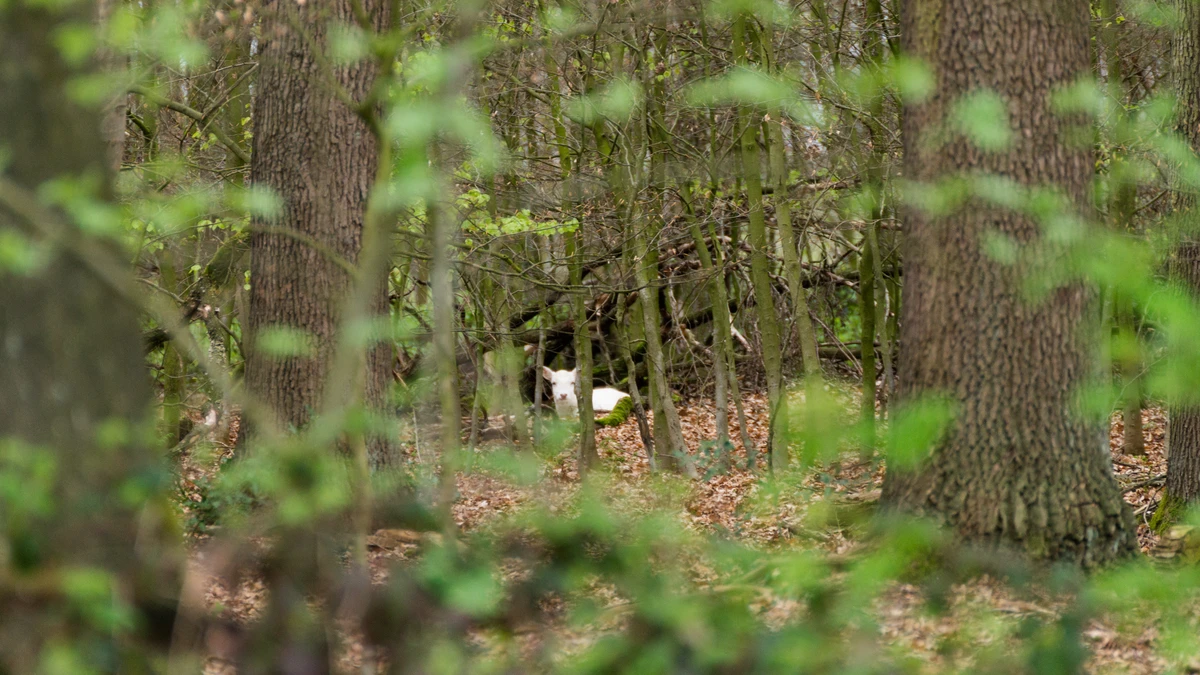
Deer survive partly through camouflage, stillness, and awareness of their surroundings. A white coat disrupts that familiar pattern. The animal becomes conspicuous against dark woodland, green vegetation, or brown winter ground. Symbolically, that contrast can represent being seen when you expected to blend in, standing apart from a group, or entering a period in which ordinary rules no longer seem to fit.
That does not automatically make the symbol positive or negative. Visibility can feel liberating when it means authenticity, and uncomfortable when it means exposure. Rarity can feel special, but it can also feel isolating. The emotional tone matters as much as the color.
A white deer is not always an albino
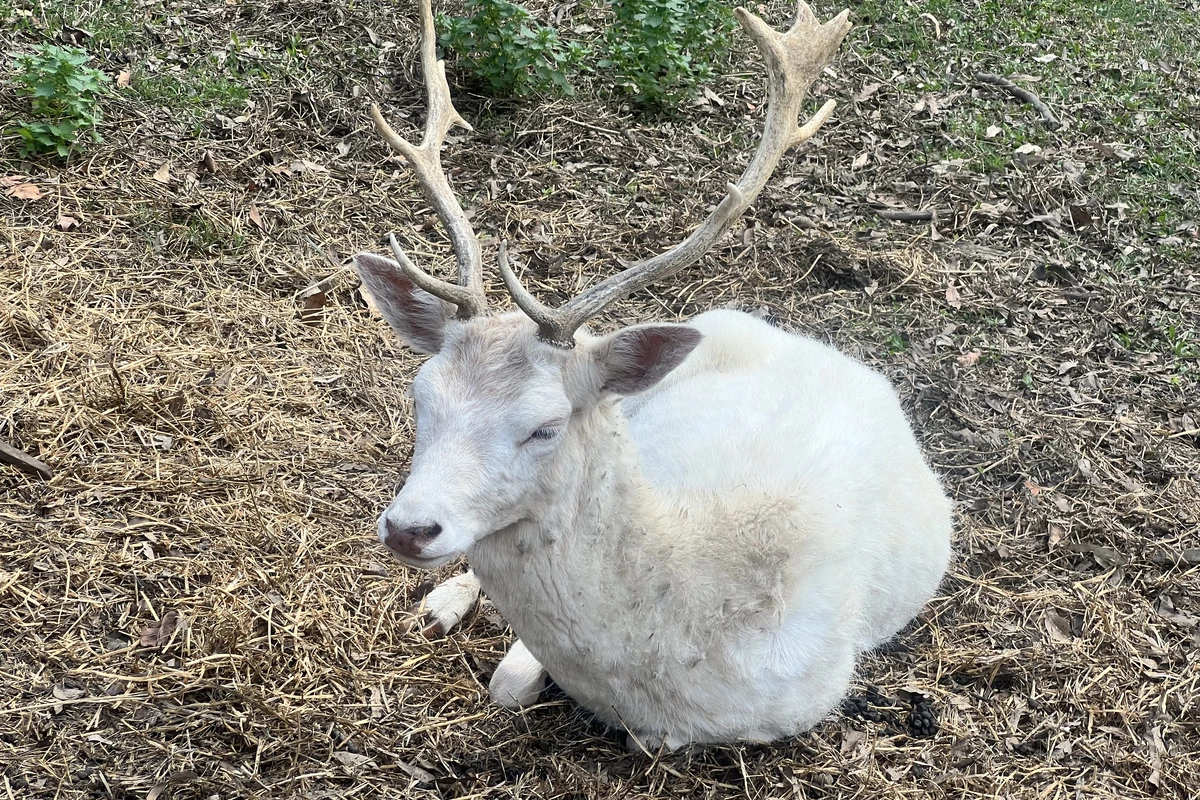
Before interpreting the symbolism, it helps to separate the visual categories. The British Deer Society explains that true albino deer completely lack body pigment and typically have pink eyes. Leucistic deer have reduced pigmentation but may retain normal eye color. Fallow deer can also occur in naturally white color varieties without being albino.
The distinction matters because popular language often uses “albino deer” for any very pale deer. In reality, white coloration can have several biological causes. The Nature Conservancy’s Cool Green Science also notes that many white-tailed deer described as albino are actually leucistic or piebald.
Five recurring themes in white deer symbolism
Rarity and the value of what is uncommon
The most immediate theme is rarity. A white deer looks unusual enough that people remember the encounter. Symbolically, this can represent something in your life that deserves attention precisely because it does not fit the usual pattern: a rare opportunity, an unusual ability, a relationship that feels different, or a decision that cannot be made by copying what everyone else does.
The caution is that rarity does not automatically equal value. Something can be uncommon without being good. A grounded interpretation asks what the unusual element actually changes.
Visibility and being noticed
A white deer cannot rely on the same camouflage as a typically colored deer. That makes it a strong image for visibility. If the symbol feels empowering, it can point toward authenticity, stepping forward, or allowing your work or personality to be seen. If it feels tense, it can represent exposure, scrutiny, or the discomfort of standing out.
This theme is especially relevant when you are moving from a private role into a public one, sharing creative work, entering a new social environment, or making a choice that others will notice.
Transition and the break from an old pattern
White often works visually as a reset: an empty page, fresh snow, or a blank surface before something new appears. Combined with the movement of a deer through changing terrain, the image can work as a symbol of transition.
In this reading, the white deer is less about becoming “pure” and more about crossing a threshold between familiar and unfamiliar conditions. It can fit periods of relocation, career change, personal reinvention, or leaving a long-standing role.
Individuality without rejecting belonging
A white deer can be visibly different while still being a deer and still moving within a herd. That makes it a useful symbol for individuality that does not require total separation.
This is different from the social tension behind lone wolf symbolism, where the image centers on a social animal moving apart from its pack. The white deer image is often about distinction within the same world rather than withdrawal from it.
Vulnerability that comes with standing out
Visibility has a cost. A pale animal can be easier to notice, and in the wild that can affect camouflage. Symbolically, this creates a useful counterweight to the more romantic reading of rarity. Standing out can bring attention, but attention can also bring pressure.
The image therefore works well for situations where visibility and vulnerability arrive together: leadership, public recognition, creative exposure, or choosing a path that is meaningful but less protected by anonymity.
The same white deer can mean something different in each context
| Context | Possible symbolic theme | Question worth asking |
|---|---|---|
| Seeing a white deer in real life | Rarity, attention, surprise | What made the encounter feel different from an ordinary wildlife sighting? |
| Dreaming of a calm white deer | Transition, gentleness, new direction | Did the animal feel inviting, distant, or simply present? |
| Dreaming of a frightened white deer | Exposure, vulnerability, avoidance | What in the dream felt unsafe or overexposed? |
| Choosing a white deer for art or a tattoo | Individuality, rarity, self-definition | Are you emphasizing difference, grace, resilience, or a turning point? |
| Repeatedly noticing white deer imagery | Selective attention, personal relevance | What current theme makes the image stand out? |
White deer symbolism in dreams
In dreams, the animal’s behavior matters more than the color alone. A white deer approaching calmly can reflect openness to an unfamiliar direction. One disappearing into trees can represent something attractive but difficult to hold onto. An injured or trapped deer may point more toward vulnerability than opportunity.
Pay attention to distance. A deer close enough to touch creates a different emotional scene from one seen across a valley. Direction also matters: is it leading, watching, fleeing, returning, or standing still?
Dream interpretation is most useful when it connects the image to your own recent experiences. A symbolic dictionary cannot know whether a white deer reminds you of a real place, a person, a childhood memory, or a current decision.
White deer symbolism in tattoos and visual art
In tattoos, illustrations, and design, a white deer can communicate distinction without using an aggressive symbol. Antlers may add themes of maturity, defense, or seasonal renewal, while a doe can emphasize alertness, movement, or gentleness. A forest setting can make the contrast between camouflage and visibility even stronger.
Small design choices shift the meaning. A deer facing forward feels direct. One looking back can suggest memory or reconsideration. A deer crossing a road or threshold can emphasize transition. A white deer among normally colored deer can make individuality the central theme.
If your goal is personal symbolism rather than folklore, build the design around one clear contrast: seen versus hidden, rare versus ordinary, staying versus moving, or belonging versus standing apart.
Real deer behavior keeps the symbol grounded
Deer are alert prey animals. Their behavior is shaped by vigilance, movement, seasonal cycles, habitat, and the need to detect danger early. That makes them very different symbolic material from louder, more confrontational animals.
For comparison, blue jay symbolism often draws meaning from vocal behavior, social signaling, and assertiveness. A deer image works through a quieter set of cues: attention, movement, caution, grace, and the balance between remaining visible and disappearing into cover.
The white coat intensifies those deer-like qualities because it makes concealment harder. Symbolically, it turns a normally subtle animal into a visible exception.
A sighting can be meaningful without being a message
Seeing a white deer can be memorable simply because the event is rare and visually striking. Human attention is built to notice novelty. Once an image becomes personally meaningful, selective attention can also make related images seem to appear more often.
That does not make the experience meaningless. Personal meaning and supernatural certainty are different things. A real encounter can still prompt reflection because it interrupts routine and gives you a concrete image for something you were already processing.
A useful approach is to ask what the encounter brought to mind immediately. The first association is often more informative than a fixed symbolic definition borrowed from somewhere else.
A practical framework for interpreting white deer symbolism
- Identify the context. Real sighting, dream, art, tattoo, or recurring image?
- Notice the deer’s behavior. Calm, alert, fleeing, approaching, watching, or injured?
- Name the strongest emotion. Awe, comfort, curiosity, fear, sadness, or excitement?
- Look at visibility. Does standing out feel freeing or risky?
- Connect it to a current transition. Is something in your life becoming newly visible or moving outside its old pattern?
- Keep the biology separate from the symbolism. A white coat is a real pigmentation trait; the meaning you give it is interpretive.
The deeper meaning of a rare white deer
At its most useful, white deer symbolism is about the tension between rarity and visibility. The image can represent something valuable because it is different, but it can also remind you that standing out brings exposure. It can mark a transition, an emerging identity, or a moment when blending in is no longer possible.
The real animal makes that symbolism stronger. A deer is built for alertness and concealment, while a white deer is difficult to ignore. That contrast is the core of the image: something familiar appearing in a form that forces you to see it differently.
Sources and further reading
- British Deer Society — Ask BDS: Are White Deer Rare?
- British Deer Society — How Rare Are White Deer?
- The Nature Conservancy — White Deer: Understanding a Common Animal of Uncommon Color
For a related guide, read Snake Spiritual Meaning: The Symbolism That Changes With Context.
For a related guide, read Spider Dream Meaning: The Detail Most People Miss.
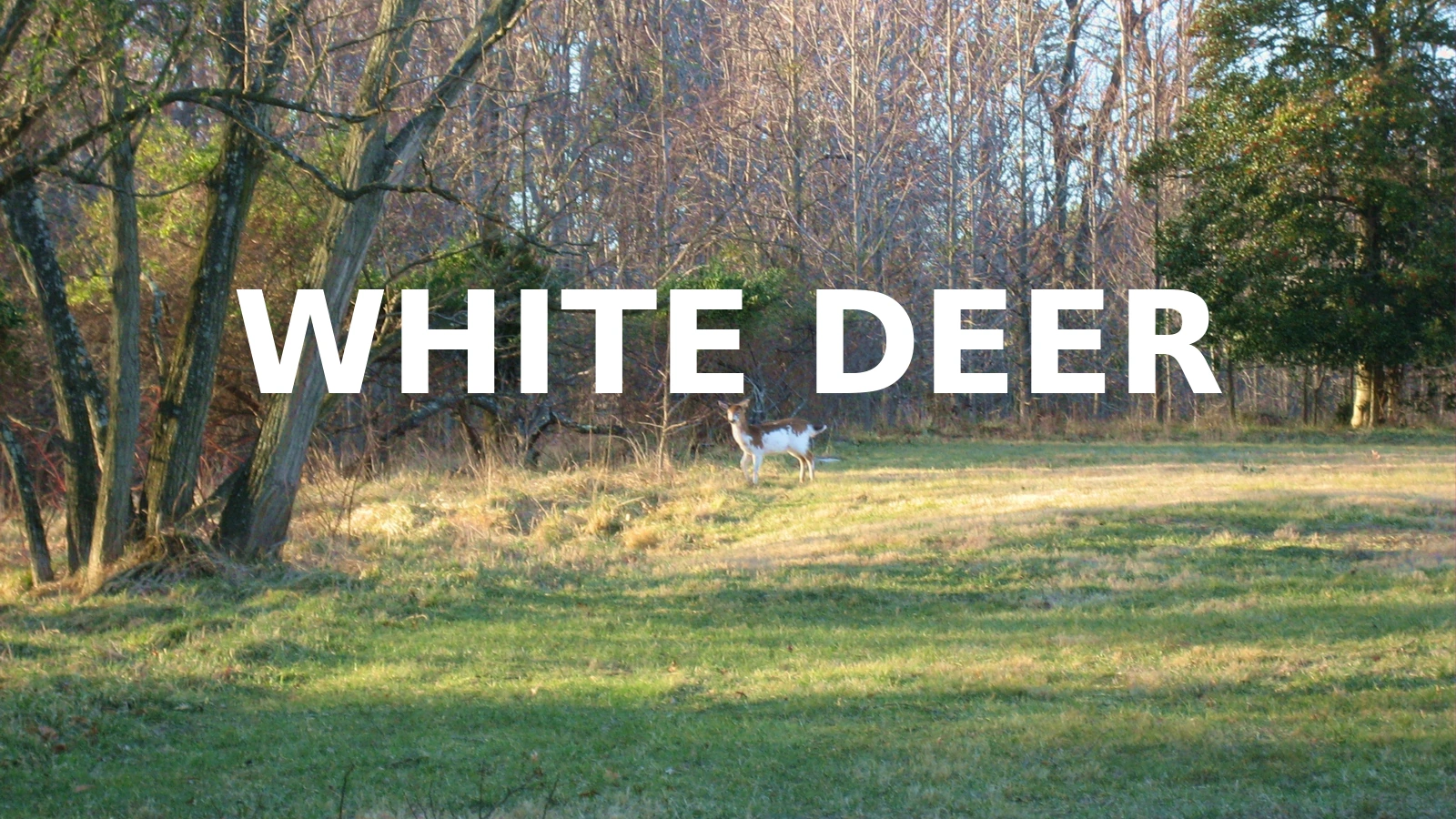
Cover photo: Virginia State Parks staff; original source; CC BY 2.0. Cropped with an English headline; the stated license terms continue to apply.