Lone Wolf Symbolism: Independence, Distance, and the Meaning of Walking Alone
Lone wolf symbolism is powerful because it holds two ideas at once: the strength to move independently and the cost of being separated from a group. In popular imagery, a solitary wolf can look fearless, self-directed, and impossible to control. In real wolf biology, however, being alone is often a temporary stage rather than a permanent identity.
That tension gives the symbol more depth than a simple message about independence. A lone wolf can represent freedom, transition, resilience, emotional distance, self-trust, or the search for a new place to belong. The meaning changes with the scene, the emotion it creates, and what the wolf appears to be doing.
This guide treats the lone wolf as a symbolic image, not as a prediction or supernatural sign. It also uses real wolf behavior to separate the popular myth from what wolves actually do.
The strongest meaning comes from the contrast between wolf and pack
Wolves are highly social animals. They cooperate in raising young, defending territory, communicating, and hunting. That makes a solitary wolf visually unusual enough to carry symbolic weight. The image is not simply “a wild animal alone.” It is a social animal shown outside its normal social structure.
This is why the symbol can suggest independence without automatically meaning isolation. It can also represent a period between communities, roles, relationships, or identities: no longer fully part of one group, but not yet established in the next.
Real lone wolves are often in transition
The popular image of the lone wolf suggests a creature that rejects the pack and thrives permanently alone. Wildlife research gives a more nuanced picture. Young adult wolves commonly disperse from the pack where they were born, sometimes traveling long distances while looking for territory, a mate, or a chance to join or form another pack.
The International Wolf Center describes a lone wolf as either a pack wolf temporarily traveling alone or a dispersing wolf that has left its natal pack. The U.S. National Park Service has also documented wolves leaving packs and traveling hundreds of miles. In Denali, researchers reported that dispersing wolves seldom remained solitary for long if they survived.
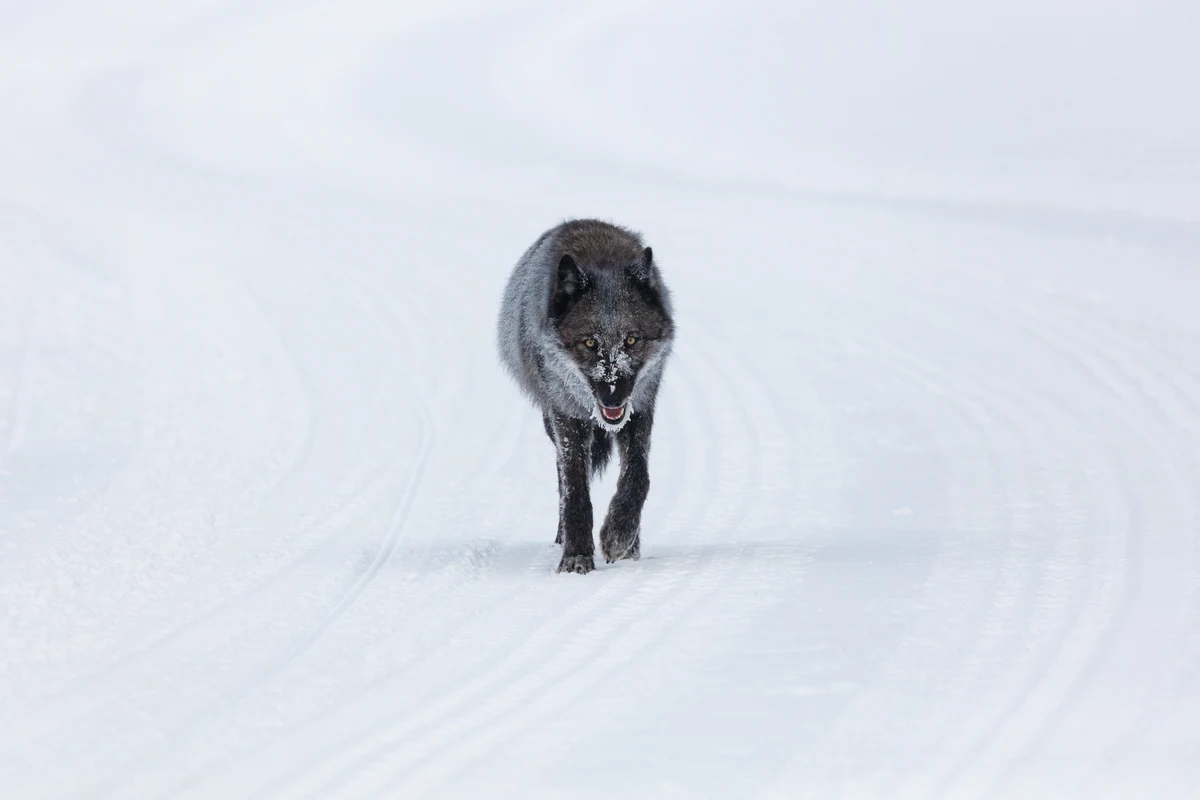
In lone wolf symbolism, that biological reality changes the question. A solitary animal need not mean “I need nobody.” It can instead suggest “I am moving between chapters, and I need enough independence to find what comes next.”
Six recurring themes in lone wolf symbolism
Independence without permission
In lone wolf symbolism, the most common reading is independence expressed through choice, not a blanket rejection of advice. A solitary wolf can represent choosing a direction without waiting for approval, following personal judgment, or stepping outside a group that no longer fits.
This interpretation is strongest when the wolf looks alert and purposeful rather than wounded or trapped. In art, a wolf moving across open ground often feels very different from one isolated behind a barrier or standing at the edge of a distant pack.
Transition and the space between identities
Because real dispersing wolves leave one social unit while searching for another territory or partner, the lone wolf is a strong symbol for transition. It may fit periods such as leaving a job, moving to a new place, ending a relationship, changing a social circle, or rebuilding identity after a major decision.
Transition is different from permanent solitude. The symbol can describe the courage required to cross an uncertain middle stage without pretending that the middle stage must last forever.
Resilience under reduced support
Moving alone removes some of the advantages of group living. Wolves in packs can cooperate in hunting, territory defense, pup care, and survival. The National Park Service overview of Yellowstone wolf ecology emphasizes the adaptive value of social living, including cooperative care and hunting.
That makes the solitary wolf a meaningful image of resilience, but not invulnerability. A useful interpretation is the ability to keep moving when support is limited, while still recognizing that support has value.
Self-trust and independent judgment
The lone wolf can also symbolize the ability to make decisions without constant social confirmation. This does not mean ignoring advice. It means being able to hear other voices without losing your own.
In personal symbolism, this theme often appears when someone feels pressure to follow a path because it is expected, popular, or familiar. The wolf becomes an image of internal direction rather than rebellion for its own sake.
Emotional distance and protective boundaries
Not every expression of lone wolf symbolism feels empowering. In some scenes, the strongest emotional quality is distance: a wolf separated from others can suggest guardedness, difficulty trusting, emotional withdrawal, or the habit of keeping people at a safe distance.
That interpretation becomes more relevant when solitude feels defensive rather than chosen. The important distinction is whether distance creates clarity and recovery, or whether it prevents meaningful connection.
The search for belonging on different terms
A lone wolf can paradoxically symbolize belonging because biological dispersal often leads toward a new social structure. The animal leaves one pack not necessarily to reject connection, but because movement can lead to new territory, a mate, or another group.
This gives the symbol a more mature reading: independence and belonging are not opposites. Sometimes a person needs distance from one group in order to find a healthier way of connecting elsewhere.
The same lone wolf image can carry opposite meanings
| Image or situation | Likely symbolic theme | Useful distinction |
|---|---|---|
| Wolf walking alone across open land | Freedom, direction, transition | Chosen movement or forced separation |
| Wolf standing apart from a pack | Individuality, exclusion, independence | Healthy difference or painful disconnection |
| Wolf howling alone | Expression, contact, distance | Calling outward or affirming identity |
| Wolf on a ridge or horizon | Perspective, self-direction, vigilance | Observation or emotional detachment |
| Wolf in harsh weather | Endurance, persistence, survival | Resilience without romanticizing hardship |
| Wolf turning toward other wolves | Reconnection, choice, new belonging | Independence that still allows relationship |
Lone wolf symbolism in tattoos, art, and personal identity
In tattoos and visual art, the lone wolf is often used to communicate self-reliance, nonconformity, endurance, or a preference for a small circle over a large social group. Mountains, forests, moons, snow, scars, and direction of movement can change the tone of the design.
A wolf moving forward can emphasize agency. A seated wolf looking back may suggest separation from the past. A wolf facing a distant pack can introduce the tension between independence and belonging. A heavily shadowed or confined wolf may lean toward loneliness, mistrust, or emotional protection.
The symbol also appears in everyday identity language. Someone who calls themselves a lone wolf may mean they prefer autonomy, recharge in solitude, work independently, or resist group pressure. But the phrase can become misleading if it turns temporary self-protection into a permanent identity. Healthy autonomy does not require rejecting every form of support.
Lone wolf symbolism and the myth of permanent solitude
One of the most useful corrections is that real wolves are not ideal models of permanent isolation. Wolves are social, and dispersal usually occurs within a larger life cycle of leaving, traveling, finding opportunity, and often reconnecting.
The U.S. Geological Survey describes natal dispersal as a well-studied pattern in gray wolves, with maturing individuals often leaving their natal packs and later pairing with other dispersers. The USGS overview of gray wolf dispersal research also notes that movement patterns can be complex, including long-distance and temporary extraterritorial travel.
That makes a stronger symbolic lesson than the stereotype. The lone wolf is not powerful because it never needs anyone. It is powerful because it can move through uncertainty without losing the capacity to connect again.
Lone wolf compared with other animal symbols
Animal symbolism becomes clearer when the physical behavior of the animal actually supports the metaphor. Owl symbolism is often shaped by night, stillness, and observation. Crow symbolism draws heavily on intelligence, adaptability, social behavior, and folklore. The recently published guide to blue jay meaning emphasizes voice, assertiveness, and social context.
The lone wolf is different because its central tension is social: a cooperative animal shown apart from the group. That contrast is what gives independence, separation, transition, and belonging such weight.
What a lone wolf can mean in a dream or recurring image
When a lone wolf appears in a dream, artwork, recurring thought, or memorable encounter, lone wolf symbolism depends on the scene rather than a fixed dictionary meaning. A calm wolf moving steadily may invite reflection on autonomy or transition. A frightened or injured wolf may bring vulnerability or isolation to mind. A wolf watching a pack may raise questions about belonging, exclusion, or the desire to reconnect.
Repeatedly noticing wolf imagery does not prove that an external message is being sent. Attention becomes selective: once a symbol matters to you, you are more likely to notice it. The image can still be useful if it helps you name a real tension in your life.
A grounded way to interpret lone wolf symbolism
- Look at movement. Is the wolf traveling, waiting, watching, returning, or hiding?
- Notice the environment. Open space, harsh weather, a forest edge, or the presence of a pack changes the meaning.
- Name the emotion. Freedom, grief, confidence, fear, relief, and loneliness point in different directions.
- Separate solitude from isolation. Solitude can restore attention; isolation can become a wall.
- Ask what is changing. The symbol often fits transition better than permanent separation.
- Keep belonging in the picture. Independence is strongest when it remains a choice rather than a rule.
This framework prevents the symbol from collapsing into a slogan. “Lone wolf” can sound like a personality type, but the richer interpretation is about the relationship between autonomy and connection.
The deeper meaning of walking alone
At its most useful, lone wolf symbolism represents the capacity to move independently without pretending that independence is the same as disconnection. It can reflect a period of self-direction, a difficult transition, the rebuilding of trust, or the search for a place where belonging feels more honest.
The biological reality makes the symbol more interesting, not less. Wolves are social, and many wolves that travel alone are dispersing between packs or territories. Symbolically, that turns the lone wolf from an icon of permanent isolation into an image of movement: leaving what no longer fits, surviving the uncertain distance, and remaining open to what comes next.
Sources and further reading
- International Wolf Center — What is a lone wolf and why wolves disperse.
- U.S. National Park Service — Tracking the Movement of Denali Wolves.
- U.S. National Park Service — Wolf Ecology in Yellowstone.
- U.S. Geological Survey — Gray wolf natal dispersal.
For a related guide, read White Deer Symbolism: Why This Rare Sight Feels Different.
For a related guide, read Snake Spiritual Meaning: The Symbolism That Changes With Context.
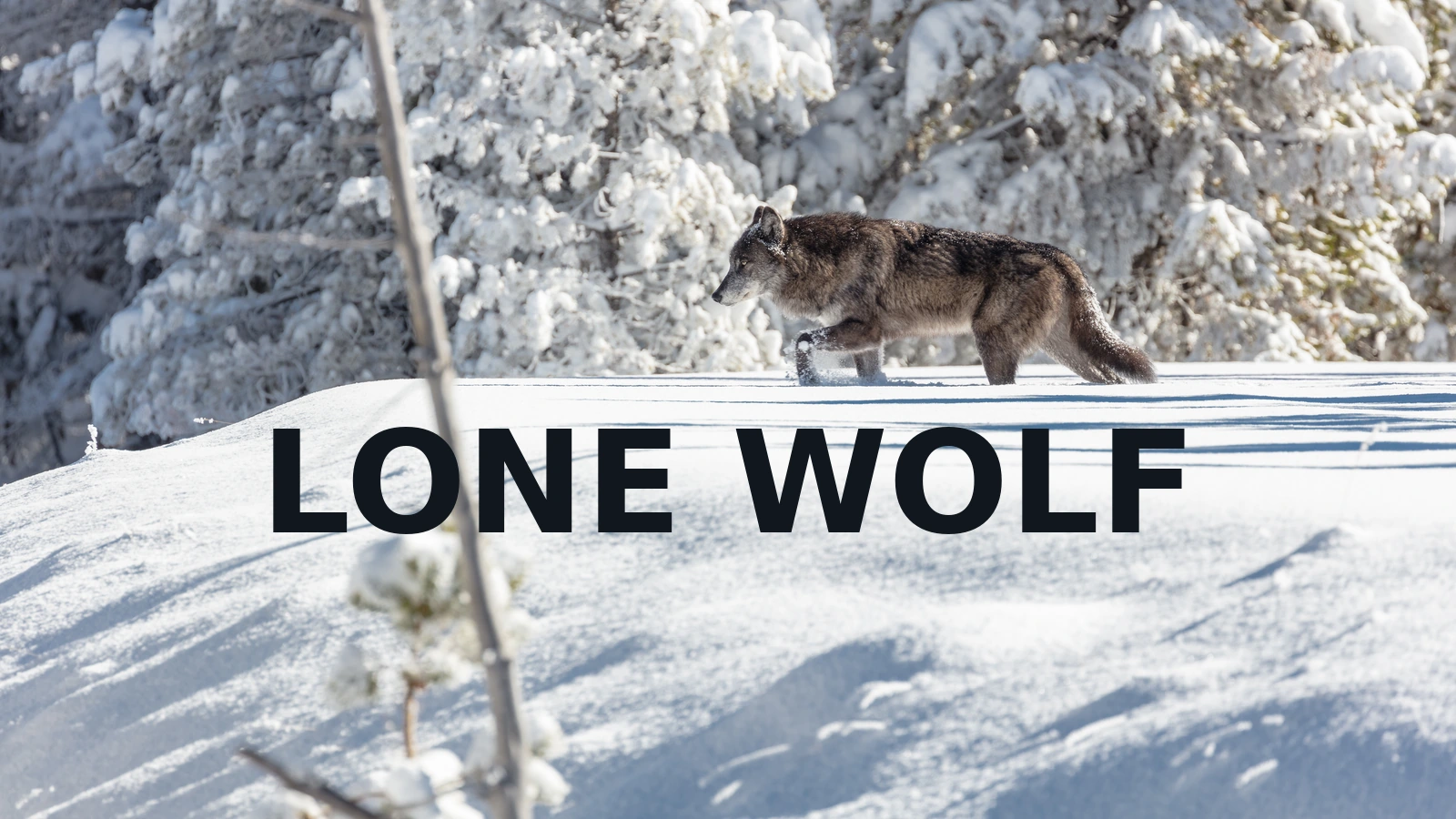
Cover photo: Yellowstone National Park; original source; Public domain. Cropped with an English headline; the stated license terms continue to apply.