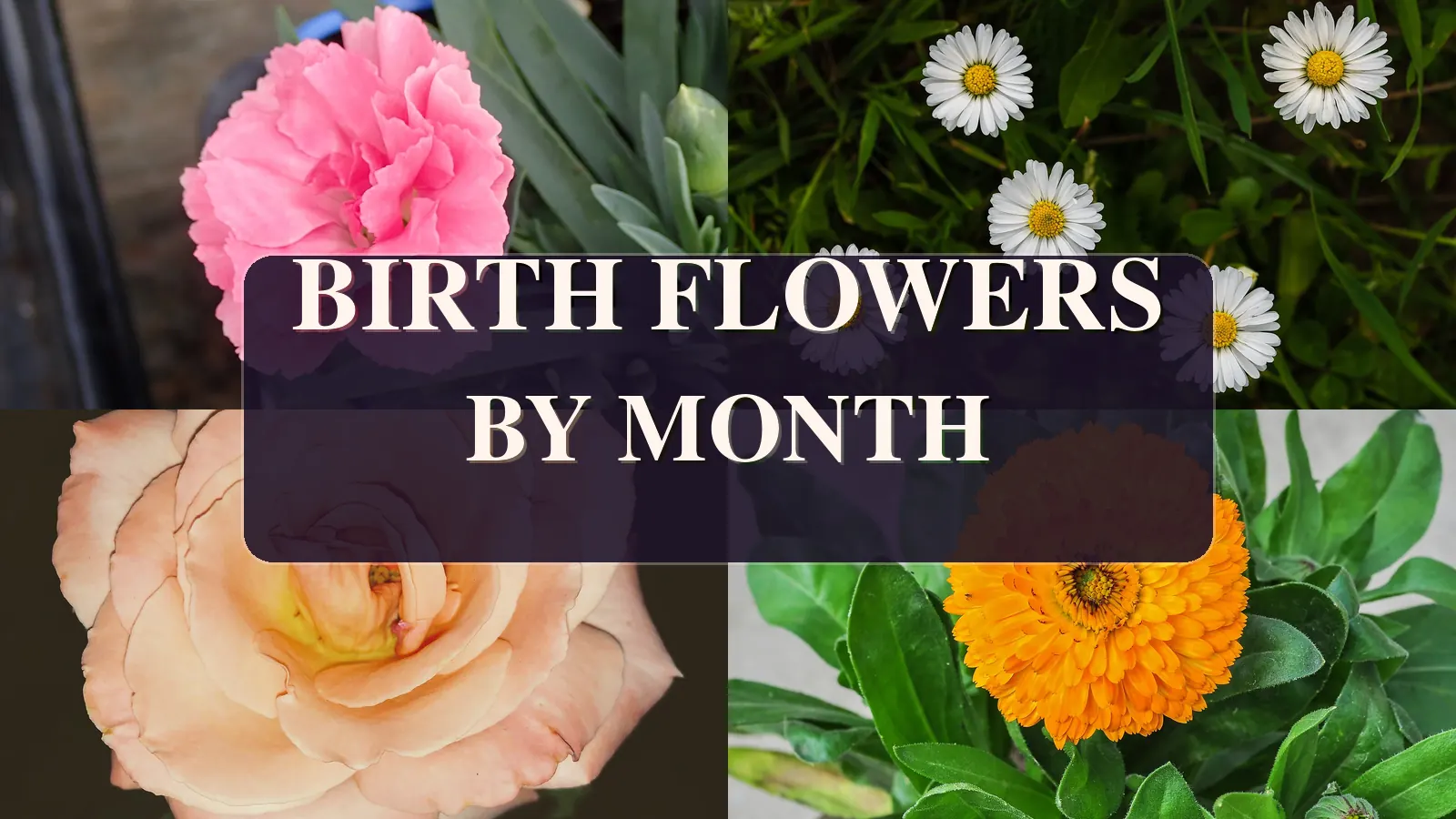
Birth Flower by Month: Find Your Flower and Its Meaning
Birth flower by month is a delightful little tradition: January has carnations, June has roses, and October often brings marigolds. But why does your birthday get a flower at all? And why might one chart give November a peony while another stops at chrysanthemum? The answer is more interesting than a personality quiz. Birth flowers reflect seasons and folklore. Use the finder to see real photographs, meanings, and differences between lists.
Quick answer: A birth flower by month is a traditional plant symbol for someone’s birth month, much as a birthstone represents a month. Many English-language calendars list a principal flower and a second option. There is no worldwide scientific standard, and the symbolism describes a cultural custom, not the personality or destiny of someone born that month.
Birth flower by month: where the custom comes from
People assigned flowers sentimental meanings long before birthday bouquets became common. A rose might suggest affection, a violet devotion, or a daisy innocence, with messages varying by place and time. People often call this practice floriography, or the language of flowers. During the nineteenth century, published flower dictionaries helped turn floral symbolism into a social pastime.
That does not prove a single Victorian birth-flower calendar existed. The University of Illinois Extension’s floriography guide provides a monthly list alongside historical flower meanings, and its alternatives sometimes differ from modern calendars. It is a useful reminder that these associations are conventions: a charming reason to choose a particular bloom, not an ancient universal rule.
For example, seasonality explains some pairings: northern spring calendars favor daffodils and daisies, while winter calendars feature carnations, holly, and narcissus. But bloom times shift across climates and hemispheres. Growers may raise a birth flower by month locally, while florists elsewhere may import it or not stock it at all.
You can enjoy a flower without accepting its symbolic story. A violet might simply remind you of a familiar garden; a rose might mark a shared memory. For another flower rich in cultural history, see our lotus flower meaning guide.
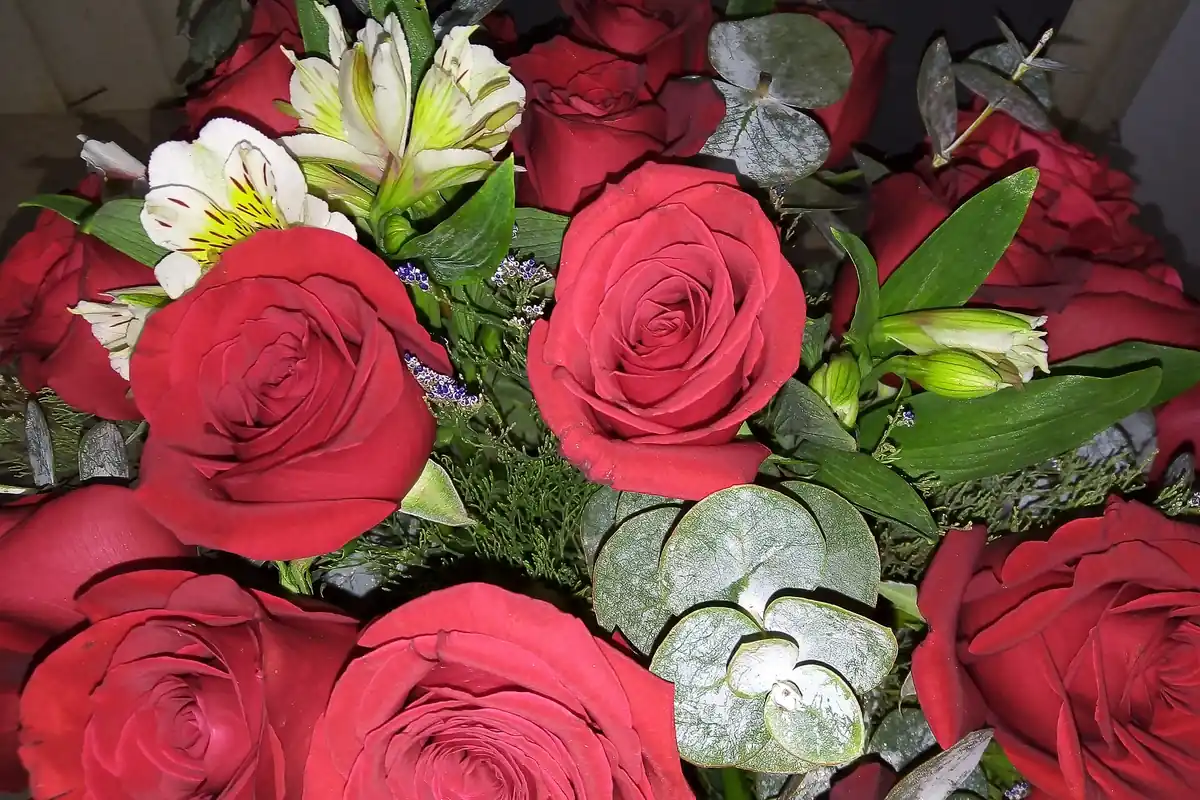
Birth flower by month chart: all twelve months
This birth flower by month chart follows the primary and secondary pairings published in The Old Farmer’s Almanac in its 2026 guide. The labels primary and secondary identify entries in that particular publication, not a ranking of flowers or a universal official selection.
| Month | Main birth flower | Second flower in this chart | Common symbolic theme |
|---|---|---|---|
| January | Carnation | Snowdrop | Affection and hope |
| February | Violet | Primrose | Faithfulness and young love |
| March | Daffodil | Jonquil | New beginnings |
| April | Daisy | Sweet pea | Innocence and gratitude |
| May | Lily of the valley | Hawthorn | Happiness and hope |
| June | Rose | Honeysuckle | Love and affection |
| July | Larkspur | Water lily | Positivity and purity |
| August | Gladiolus | Poppy | Strength and remembrance |
| September | Aster | Morning glory | Patience and affection |
| October | Marigold | Cosmos | Warmth, creativity, and joy |
| November | Chrysanthemum | None in this reference | Friendship and loyalty |
| December | Narcissus (paperwhite) | Holly | Renewal and protection |
Jonquil belongs to the narcissus group, while the name marigold can mean Calendula or Tagetes. People value December’s holly more for evergreen foliage and berries than for cut flowers.
The birth flower by month chart is a starting point for choosing something meaningful, not a guarantee that every florist or culture will give the same answer. For November, for instance, Farmers’ Almanac’s 2026 chart offers peony as a second flower, whereas the Old Farmer’s Almanac chart shown above does not provide a regular second entry. Naming each source resolves the apparent contradiction.
Find your birth flower by month with the interactive tool
Choose any month in the finder below. You will see a photograph of the main flower, any alternate that the guide names, its symbolism, and a source note. Use the previous and next controls or select any month. Nothing asks for your full birthday or name.
Find your birth flower
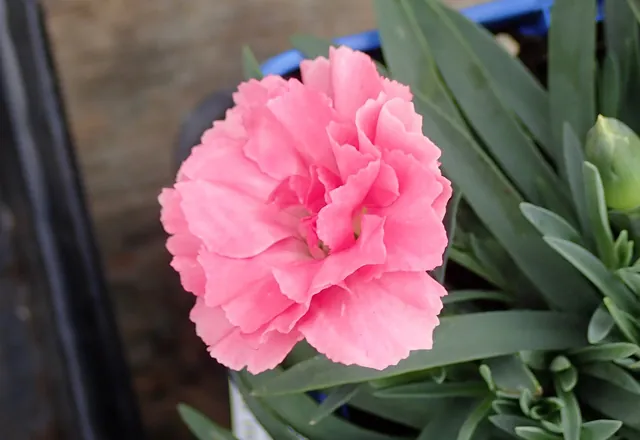
Compare March and December: both involve narcissus. Then try June to see how a rose’s color can change the message. The birth flower by month lookup makes a twelve-row reference easier to explore; it does not generate a personality score or prediction.
When sharing a result, include the month and the calendar’s name so friends can see why their guide might disagree.
Why do different birth flower calendars disagree?
No global authority assigns birth flowers. Publishers may emphasize different garden traditions, older dictionaries, regional seasons, or available varieties. However, two flowers are not automatically better than one.
The November example is particularly clear. The Old Farmer’s Almanac lists chrysanthemum as the regular November flower; Farmers’ Almanac also includes peony. Meanwhile, the University of Illinois Extension’s guide adds iris to February’s options and gives some other months additional alternatives. Those differences are not mathematical errors. They show that the birth flower by month tradition is editorial and cultural rather than legally standardized.
Plant names add confusion. Daffodil and jonquil both belong to Narcissus; marigold can refer to different genera. Water lilies bloom in ponds, while holly is a leafy evergreen. Common-name photos can therefore show different species.
To check a birth flower by month result, ask three questions: Which guide does it follow? Does that guide mean a particular species or a broad common name? Is the stated meaning attached to the plant, a flower color, or a historical custom? Once you answer those questions, most disagreements become less mysterious.
If a website calls its calendar scientifically official, distinguish botanical identification from symbolic custom. A birth month does not determine anyone’s destiny.
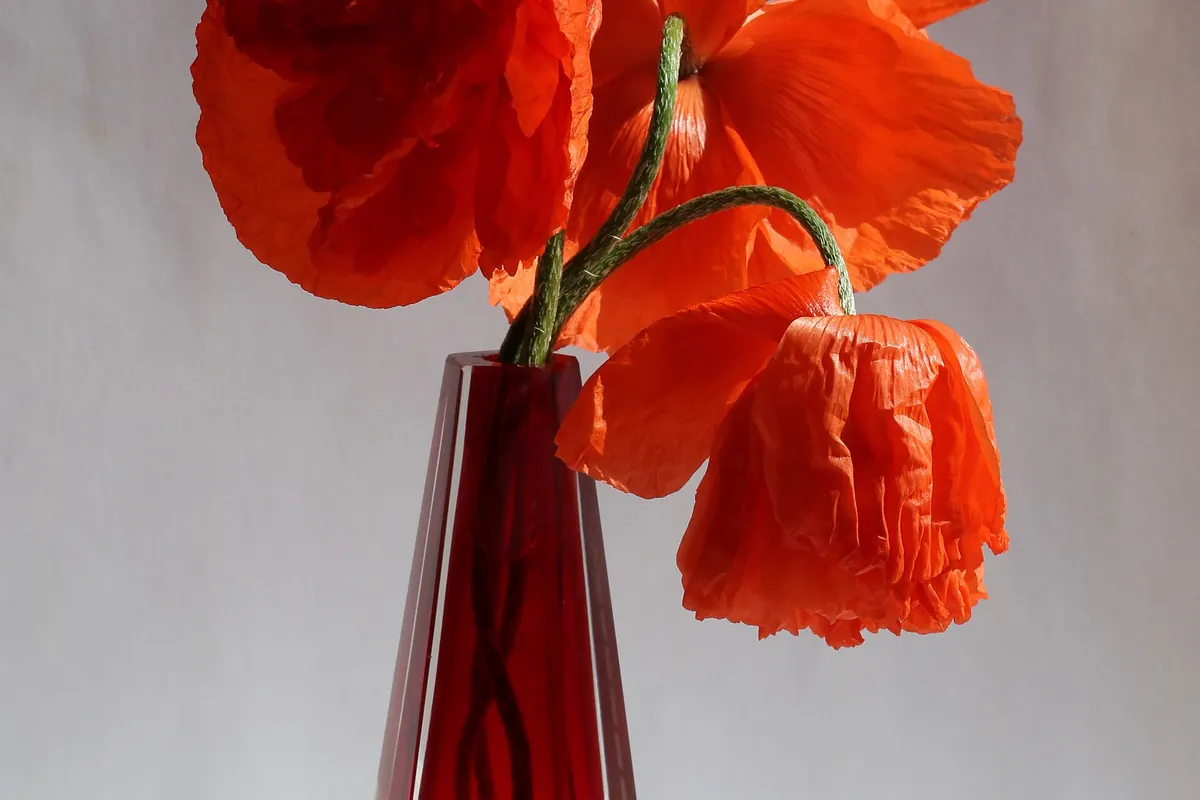
Colors, cultural meaning, and thoughtful gift ideas
For January, pink carnations suggest affection; for February, violets suggest loyalty; for April, daisies evoke innocence. Traditional calendars link May’s delicate lily of the valley with happiness, while August’s tall gladiolus evokes strength.
For instance, June illustrates why color can matter as much as the month. A white rose may carry a different social meaning from a red one, even though both are roses. Our white rose meaning guide explores associations with remembrance and fresh starts. And a blue rose often represents imagination or the unattainable, rather than being a naturally common blue garden rose. Therefore, the color choice can be personal.
For inexpensive gifts, draw the flower on a birthday card, choose a botanical bookmark, or make a family calendar with a bloom for each person. A bouquet can use the alternative when the main flower is unavailable. For permanent tattoos, verify the species and reference photograph carefully.
Treat symbolism as a personal message rather than a claim about character. “I chose an aster because it reminds me of your patience” feels warmer than declaring that every September-born person is patient.
Other symbols likewise acquire different meanings across cultures. The white feather symbolism guide shows how a single visual motif can take on many interpretations. See the Symbols & Meanings collection for more.
Frequently asked questions about birth flowers
What is my birth flower if I know only my birth month?
Choose your month in the finder to see the flower and its alternative. You do not need a birth year, time, or location. Unlike a personalized horoscope, the result is simply a row in a published cultural calendar.
Why does one month sometimes have two birth flowers?
Different places and publishers favored different plants, and availability changes with climate and season. Many recent guides display both a main flower and an alternative so readers can use either. The word “secondary” is a label within one reference chart, not proof that the flower has a lesser meaning.
Does your birth flower reveal your personality?
No. Botany can identify a flower, but it does not show that being born in August makes someone strong or that a November birthday produces loyalty. These are cultural meanings, useful for storytelling and gifts, not scientific personality scores.
Does the same birth flower apply in every country?
Not necessarily. Flower traditions, climate, species names, and popular gift choices differ across regions. If a celebration involves a particular culture, look for local sources rather than assuming an English-language chart is universal. You can use the flower list in this article while clearly naming its source.
Can I use the other flower if the main one is unavailable?
Absolutely. In traditions that list two flowers, the alternative is a practical choice for a card or bouquet. Just remember that some options, including holly or hawthorn, are shrubs rather than ordinary florist stems. Before buying, verify availability and any relevant safety considerations for children or pets.
The takeaway: let the flower carry your own story
A birth flower by month is a charming tradition, not a test of who you are. Use the chart to identify the flower, try the finder to see what it looks like, and check the source when two guides disagree. Above all, choose a bloom that suits the recipient or the occasion. A thoughtful message or shared memory usually makes a flower more meaningful than a calendar alone.
Read in Arabic: زهرة الميلاد حسب الشهر: الدليل العربي والأداة.
Photo credits: Cover collage: James St. John, Friedrich Haag, AsaQuathern, Joydeep. Inside photos: Doggo19292 (rose bouquet) and George Chernilevsky (poppies in a vase). We cropped and compressed the images; the media records identify their sources and licences.