Snake Symbolism in Dreams: The Details That Change the Meaning
Snake symbolism in dreams can feel immediate because snakes combine movement, danger, surprise, and transformation in a single image. But a snake dream does not come with one fixed translation. The most useful clues are usually the emotion you felt, what the snake was doing, and where the scene took place.
Modern sleep research does not support a universal dream dictionary in which one symbol always means one thing. A dream of hair coming out in clumps likewise calls for context; see the hair-loss dream guide and reflection tool rather than assigning a fixed omen. The safer approach is to treat the dream as personal context: emotion, recent experiences, memory, and the structure of the scene all matter.
Three clues that clarify snake symbolism in dreams
Before focusing on color or species, start with three details. They usually tell you more about the dream than a generic symbol list.
- Emotion: fear, curiosity, calm, disgust, fascination, or relief.
- Action: the snake watched, chased, bit, hid, shed its skin, or moved away.
- Setting: your home, bed, workplace, water, road, garden, or an unfamiliar place.
A dream in which you calmly watch a snake cross a trail has a different emotional structure from one in which a hidden snake strikes from under your bed. Snake symbolism in dreams therefore depends on the action and feeling in each scene, not merely on the animal appearing in both.
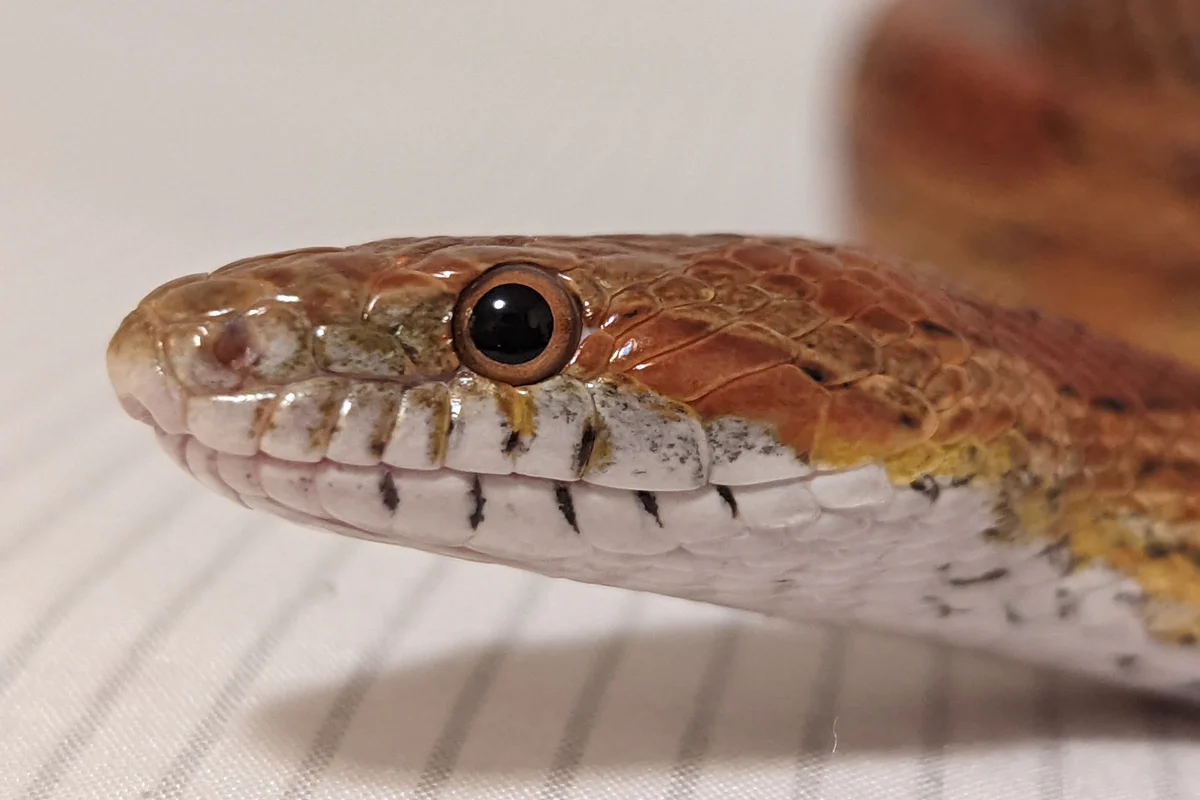
A snake bite, a chase, and a calm encounter tell different stories
Snake bite dreams concentrate attention on a sudden impact
A bite is abrupt. Within snake symbolism in dreams, it may draw attention to a sudden impact rather than supply a fixed warning. In a reflective reading, it might fit a waking-life event that felt invasive, painful, or impossible to ignore. This does not predict betrayal, illness, or danger; instead, ask what recently demanded your attention with similar intensity.
Being chased by a snake emphasizes avoidance
Chase dreams often revolve around pressure: something is following you, and the dream keeps your attention on escape. That can make the scene useful as a prompt for examining stress, deadlines, conflict, or a conversation you have been postponing. It does not prove that a particular person is secretly threatening you.
A calm snake changes the emotional tone
A calm encounter changes snake symbolism in dreams before any color or species detail matters. When you do not feel afraid, the scene may invite reflection on curiosity, change, or awareness rather than threat. Your reaction is the clue: two people may dream of nearly identical snakes yet wake with different associations because one felt panic and the other interest.
A snake shedding its skin naturally invites a change metaphor
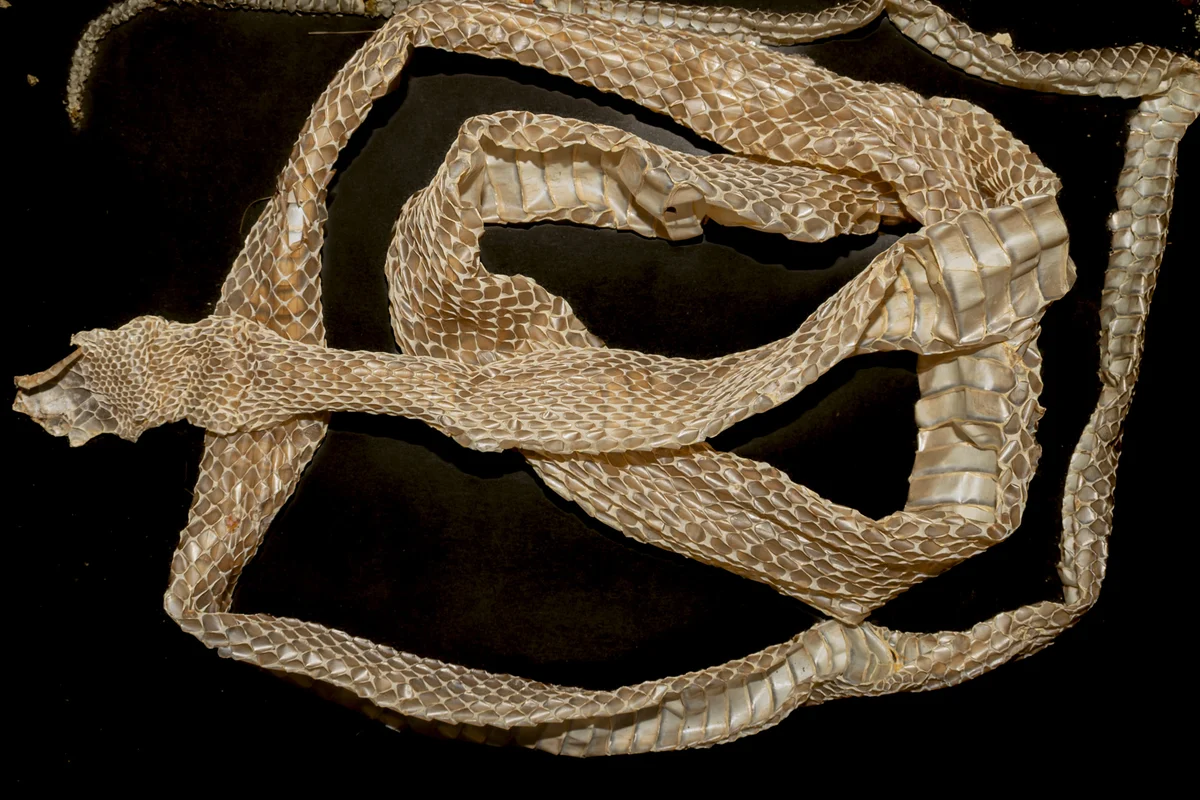
Snakes periodically shed their outer skin in a process called ecdysis. The U.S. National Park Service explains how shedding accommodates growth, while the Iowa Department of Natural Resources also notes the removal of external parasites. Because shedding visibly replaces a skin layer, it has become an easy metaphor for leaving a phase behind. That association may feel relevant if you are already changing jobs, moving, ending a relationship, or starting a new routine; it does not forecast any of those events.
How settings change snake symbolism in dreams
A snake in a dream is not isolated from the place around it. The setting often tells you what area of life the dream is borrowing from.
Snake in the house
A home setting often makes the dream feel personal because homes are associated with privacy, safety, routines, and family life. A snake in the kitchen, bedroom, or hallway can therefore feel more intrusive than the same animal outdoors. The useful question is which part of your private life currently feels unsettled or newly noticeable.
Snake in the bed
A bed adds intimacy and vulnerability to the scene. Depending on the emotion, the dream might connect in your mind with closeness, trust, discomfort, boundaries, or simply the fear of finding something dangerous in a place that should feel safe. Avoid forcing a sexual interpretation unless that connection is genuinely meaningful to you.
Snake in water
Water can make the dream feel less controlled because visibility and movement change. If the snake is hard to see, the emotional theme may be uncertainty more than the snake itself. If the water is calm and the snake simply swims past, the scene may feel surprisingly neutral.
Snake outdoors
An outdoor encounter can feel more like discovery than intrusion. The dream may be drawing on an actual memory, a recent video, a wildlife encounter, or a general fear of snakes. Not every vivid image needs a deeper symbolic explanation.
Color attracts attention, but context is stronger evidence
Searches for black snake dreams, green snake dreams, white snake dreams, and red snake dreams are common because color feels specific. The problem is that color associations vary by culture, personal history, and the rest of the scene. A black snake might feel hidden or elegant; a green snake might remind one person of nature and another of a specific pet or place.
In snake symbolism in dreams, color is a secondary clue rather than a fixed code. First ask what the snake did and how you reacted. Then consider whether the shade carries a specific association in your waking life; if it does not, there is no need to invent one.
Three ways to read snake symbolism in dreams: threat, change, attention
Threat and vigilance
If the dream is dominated by hiding, chasing, striking, or panic, it may fit a broader stress or threat theme. Sleep Foundation notes that nightmares can occur during stressful life events, and Cleveland Clinic also describes a relationship between stress or anxiety and more stressful dream content. That does not make the snake a diagnostic symbol; it simply makes your current stress level worth considering.
Transition and release
If the dream highlights shedding, leaving, crossing a path, or moving from one place to another, a change metaphor may fit naturally. The value is not in declaring that the dream predicts a transformation. The value is in noticing whether you are already navigating one.
Attention and curiosity
Sometimes the snake is simply the most vivid object in the dream. If you feel curious rather than frightened, the dream may be functioning like a spotlight: something has caught your attention. That can be enough. Dream interpretation does not need to end with a dramatic warning.
This context-first approach is similar to the way MeaningTrail treats other symbols. For example, owl symbolism changes across history, literature, and personal use, while moth symbolism depends on the setting rather than one universal message.
A two-minute method for interpreting your own snake dream
Write the dream down before the details fade, then use this sequence:
- Name the strongest emotion. Fear, calm, disgust, curiosity, anger, or relief.
- Write the snake’s action as a verb. Chased, watched, bit, hid, shed, escaped, crossed, or rested.
- Identify the setting. Home, bed, workplace, road, water, garden, or somewhere unfamiliar.
- Find the waking-life parallel. Look for a recent situation that produced a similar emotion, not a literal snake equivalent.
- Keep multiple explanations open. A vivid dream can reflect stress, memory, recent media, personal associations, or no deeper message at all.
This approach to snake symbolism in dreams avoids a major weakness of dream dictionaries: presenting a symbol as certain when the evidence is not. Cleveland Clinic notes that no consistent, scientifically proven theory links specific dream content to one definitive meaning. The questions are prompts for reflection, not a diagnostic checklist.
Recurring snake dreams deserve attention when they disrupt sleep
An occasional snake dream is not unusual or automatically concerning. If frightening dreams become frequent, repeatedly wake you, make you avoid sleep, or affect your daytime mood and functioning, the issue is less about decoding the snake and more about the sleep disturbance itself. Cleveland Clinic describes nightmare disorder as repeated frightening dreams that cause significant distress or impairment.
In that situation, a doctor or qualified sleep or mental health professional can help assess stress, medications, sleep patterns, trauma, or other factors. A symbolic reading can be interesting, but it should not replace care for persistent sleep problems.
The most useful meaning is the one supported by your own context
Snake symbolism in dreams is strongest when it helps you notice the structure of the dream rather than forcing a prediction. A bite may emphasize sudden impact. A chase may highlight avoidance. Shedding may make change feel visually obvious. A calm snake may turn the same symbol from threat into curiosity.
Start with emotion, action, and setting. Then compare the dream with what is actually happening in your life. That approach preserves the richness of the symbol without pretending that one image can reveal a fixed future.
Sources and further reading
- Cleveland Clinic — Dreams: What They Are and What They Mean
- Sleep Foundation — Dream Interpretation
- Sleep Foundation — Dreams: Why They Happen and What They Mean
- U.S. National Park Service — Snakes and ecdysis
For a related guide, read Spider Spiritual Meaning: The Symbolism Behind Web, Patience, and Context.
For a related guide, read Blue Jay Spirit Animal Meaning: Voice, Courage, and Context.
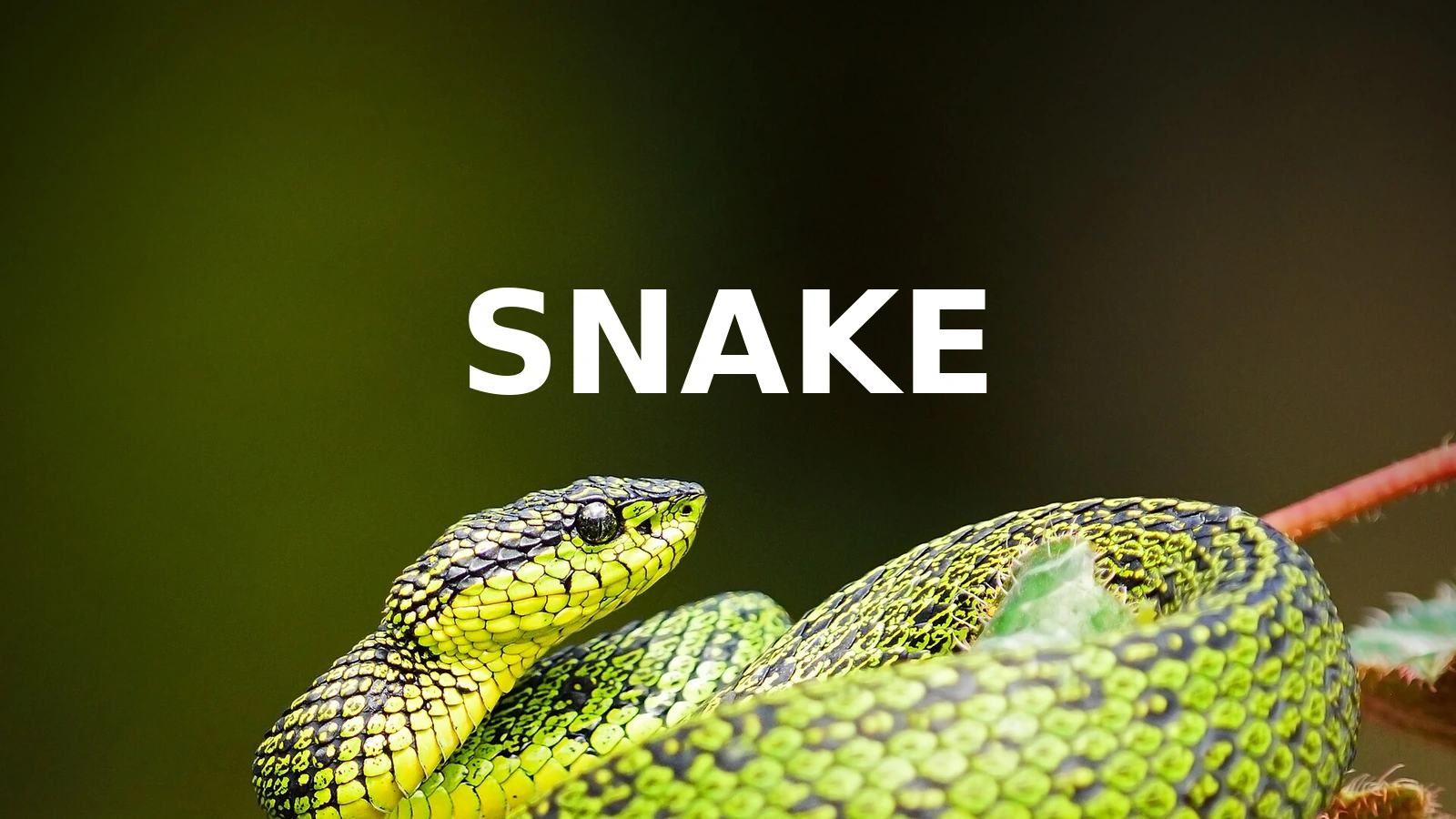
Cover photo: Alfonso Castro; original source; CC0 1.0. Cropped with an English headline; the stated license terms continue to apply.